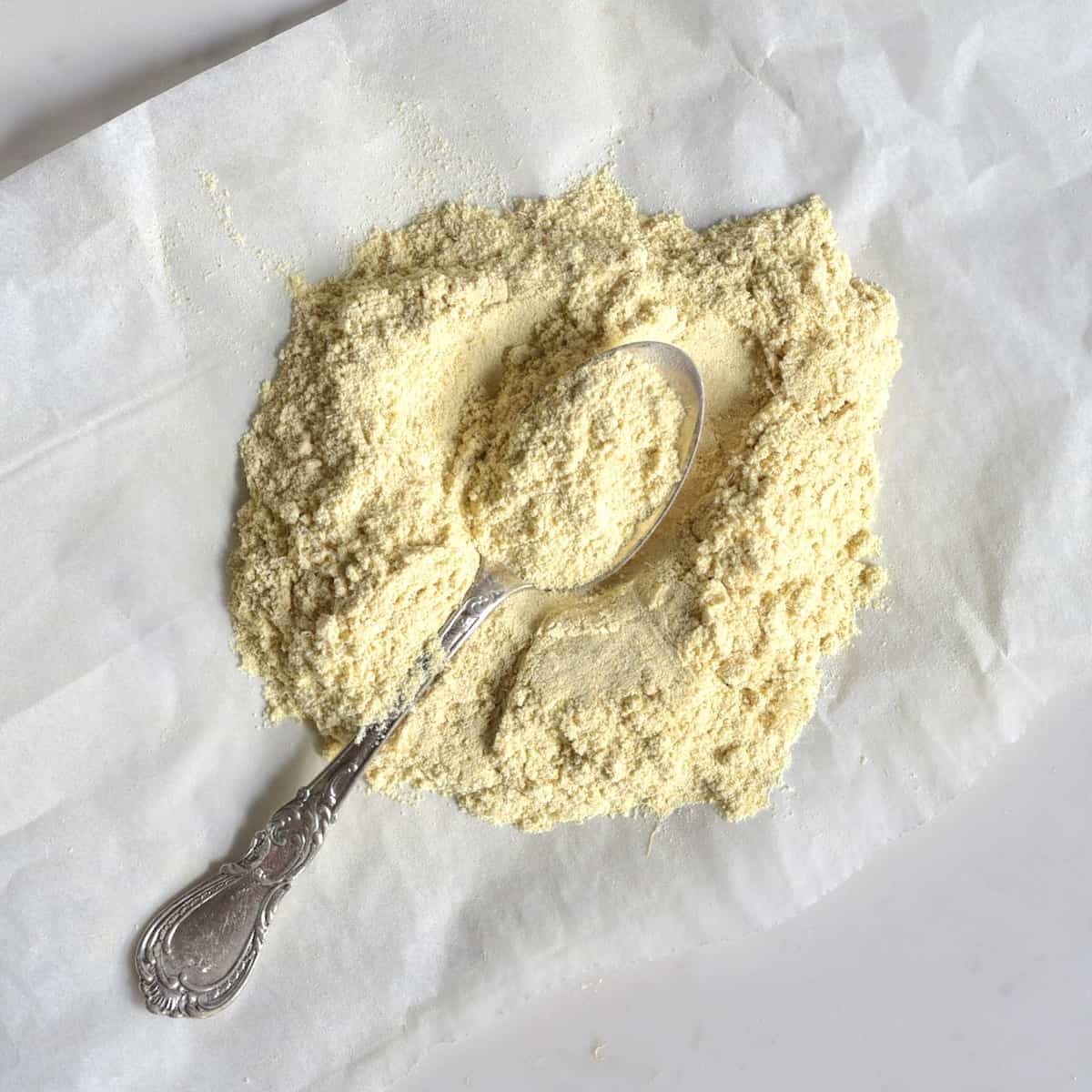
Don't Waste Ginger Pulp! Easy Oven & Dehydrator Powder
Ginger, with its zesty warmth and incredible health benefits, has become a culinary and wellness staple in kitchens worldwide. From soothing teas to vibrant stir-fries and aromatic baked goods, fresh ginger is indispensable. But what happens when you’re done juicing or grating and are left with a pile of fibrous ginger pulp? Most people might discard it, unaware that this "waste" holds the key to creating a potent, fragrant, and deeply flavorful homemade ginger powder. This article will guide you through how to make ginger powder two methods: one from fresh ginger root and another from that often-discarded pulp, utilizing both oven and dehydrator techniques to ensure you capture every last bit of its goodness.
Why Craft Your Own Ginger Powder? The Homemade Advantage
While store-bought ground ginger is convenient, it often pales in comparison to the homemade version. The moment you open a jar of freshly made ginger powder, you'll immediately notice the difference: a more intense aroma, a brighter flavor, and a vibrant color that speaks to its quality. Commercial processing can diminish volatile oils, leading to a duller product. By making your own, you control the entire process, ensuring no additives or anti-caking agents, and maximizing its aromatic and therapeutic potential. It's a sustainable practice too, especially when repurposing ginger pulp, aligning perfectly with a zero-waste kitchen philosophy. Plus, it's incredibly cost-effective, allowing you to get the most value from your fresh ginger harvest or purchases.
Method 1: Creating Ginger Powder from Fresh Root Slices
This method is ideal when you have an abundance of fresh ginger or simply prefer to start from scratch. The key to successful drying here is thin, even slices.
Step-by-Step for Fresh Ginger:
- Preparation: Begin by thoroughly washing your fresh ginger root. For organic ginger, you might choose to leave the peel on, as it contains valuable nutrients. If peeling, a simple spoon is your best friend – scrape the skin away with ease, minimizing waste.
- Slicing for Success: The thinner your ginger slices, the faster and more evenly they will dry. While a sharp knife works, a mandoline slicer is highly recommended for achieving uniform, paper-thin pieces, ideally around 1/16 to 1/8 inch thick. This uniformity is crucial for consistent drying.
- Arrange for Drying: Lay the ginger slices in a single layer on your chosen drying trays (baking sheets for the oven, or dehydrator trays). Ensure no pieces are overlapping, allowing for maximum air circulation.
Drying Techniques for Fresh Ginger:
-
Using a Dehydrator:
A dehydrator is often the preferred choice for many enthusiasts, offering gentle, consistent heat that preserves more of ginger's delicate compounds. It excels at removing moisture without "cooking" the ginger, resulting in a superior nutritional profile and flavor. This method is also highly efficient, often taking significantly less time than air-drying.
Set your dehydrator to a low temperature, typically around 40-50°C (100-120°F). Dehydrate for approximately 4-6 hours, or until the ginger pieces are completely brittle and snap easily when bent. The exact time will depend on the thickness of your slices and your dehydrator model. For a deeper dive into drying methods, check out Dehydrator vs. Oven: The Best Way to Dry Ginger for Powder.
-
Using an Oven:
If you don't own a dehydrator, your oven can do the trick! Preheat your oven to its lowest possible setting, usually around 50-70°C (120-160°F). Place your baking sheets with ginger slices into the oven. To allow moisture to escape and prevent the ginger from baking, prop the oven door slightly ajar with a wooden spoon or heat-resistant utensil.
Bake for several hours, typically 2-4 hours, turning the slices every hour or so to promote even drying. Again, the goal is brittle, snap-able ginger. Be vigilant with oven drying; too much heat can "cook" the ginger, altering its flavor and potency.
Method 2: Reviving Leftover Ginger Pulp into Powder
This is where the magic of zero-waste really shines. If you've just made a batch of ginger juice, ginger tea, or grated ginger for a recipe, don't toss that pulp! It's still packed with flavor and fiber.
Step-by-Step for Ginger Pulp:
- Collect the Pulp: Gather all your leftover ginger pulp. The finer the pulp, the faster it will dry.
- Spread Thinly: This step is critical for pulp. Spread the ginger pulp out as thinly as possible on your drying trays. Aim for an even layer, almost like a thin paste. You can use a spatula or the back of a spoon to achieve this. The thinner the layer, the less time it will take to dry and the less risk of mold forming during the process.
Drying Techniques for Ginger Pulp:
-
Using a Dehydrator:
Similar to fresh slices, a dehydrator works wonderfully for ginger pulp. Set the temperature to 40-50°C (100-120°F). Due to its often higher moisture content and more compact form, pulp might take longer to dry than slices, typically 6-10 hours. Check periodically and break up any clumps to ensure all moisture evaporates. When fully dry, the pulp should be completely brittle and crumbly.
-
Using an Oven:
Again, use your oven's lowest setting (50-70°C / 120-160°F) with the door propped open. Spread the pulp as thinly as possible. This method can take 3-6 hours or more. Stir and break up the pulp every hour to expose new surfaces to the air and prevent clumping. Ensure it’s bone dry before proceeding.
Grinding Your Dried Ginger into Powder
Once your ginger (whether slices or pulp) is completely dry and brittle, it's time to transform it into fine powder. This is arguably the most satisfying part of learning how to make ginger powder two methods!
- Cool Completely: Allow the dried ginger to cool to room temperature before grinding. Grinding warm ginger can lead to steam, which can cause clumping and affect storage.
- The Grinding Tool: A powerful spice grinder, coffee grinder (dedicated solely for spices, to avoid flavor transfer), or a high-speed blender with a dry goods attachment will work best.
- Pulse and Process: Place the dried ginger pieces or pulp into your grinder. Pulse in short bursts to avoid overheating the motor and to control the fineness of the powder. If using a blender, you may need to shake it occasionally to ensure even grinding.
- Sifting (Optional): For an extra-fine powder, you can sift the ground ginger through a fine-mesh sieve. Any larger pieces can be returned to the grinder for another pass.
Tips for Perfect Powder & Storage
- Achieving Optimal Dryness: The most critical factor for long-lasting ginger powder is absolute dryness. The pieces should snap cleanly, not bend. Any lingering moisture will lead to mold and spoilage.
- Cool Before Storing: Always allow your freshly ground powder to cool completely before transferring it to storage.
- Airtight Storage: Store your homemade ginger powder in an airtight glass jar or container. This prevents moisture absorption and helps retain its potent aroma and flavor.
- Location Matters: Keep the container in a cool, dark place, away from direct sunlight and heat. A pantry or cupboard is ideal.
- Shelf Life: Properly stored homemade ginger powder can last for 6-12 months, though its peak freshness will be within the first 3-6 months.
- Versatile Uses: Your fragrant, spicy homemade ginger powder can replace store-bought versions in virtually any recipe. Sprinkle it into baked goods like gingerbread or ginger snaps, whisk it into spice blends for curries and rubs, add a pinch to smoothies, or steep it in hot water for a comforting ginger tea. It's also fantastic in marinades, salad dressings, and even sprinkled over roasted vegetables or fruits. For more detailed instructions on creating your own, refer to Homemade Ginger Powder: Fresh Root & Pulp Methods.
Embracing these two methods for making ginger powder not only elevates your culinary creations with superior flavor but also contributes to a more sustainable kitchen. By harnessing the full potential of your fresh ginger, whether root or leftover pulp, you unlock a world of intense aroma and spicy warmth, ready to infuse countless dishes and drinks. So next time you're contemplating discarding that ginger pulp, remember its hidden potential. Turn it into a treasure, and enjoy the unparalleled taste of truly fresh ginger powder!
