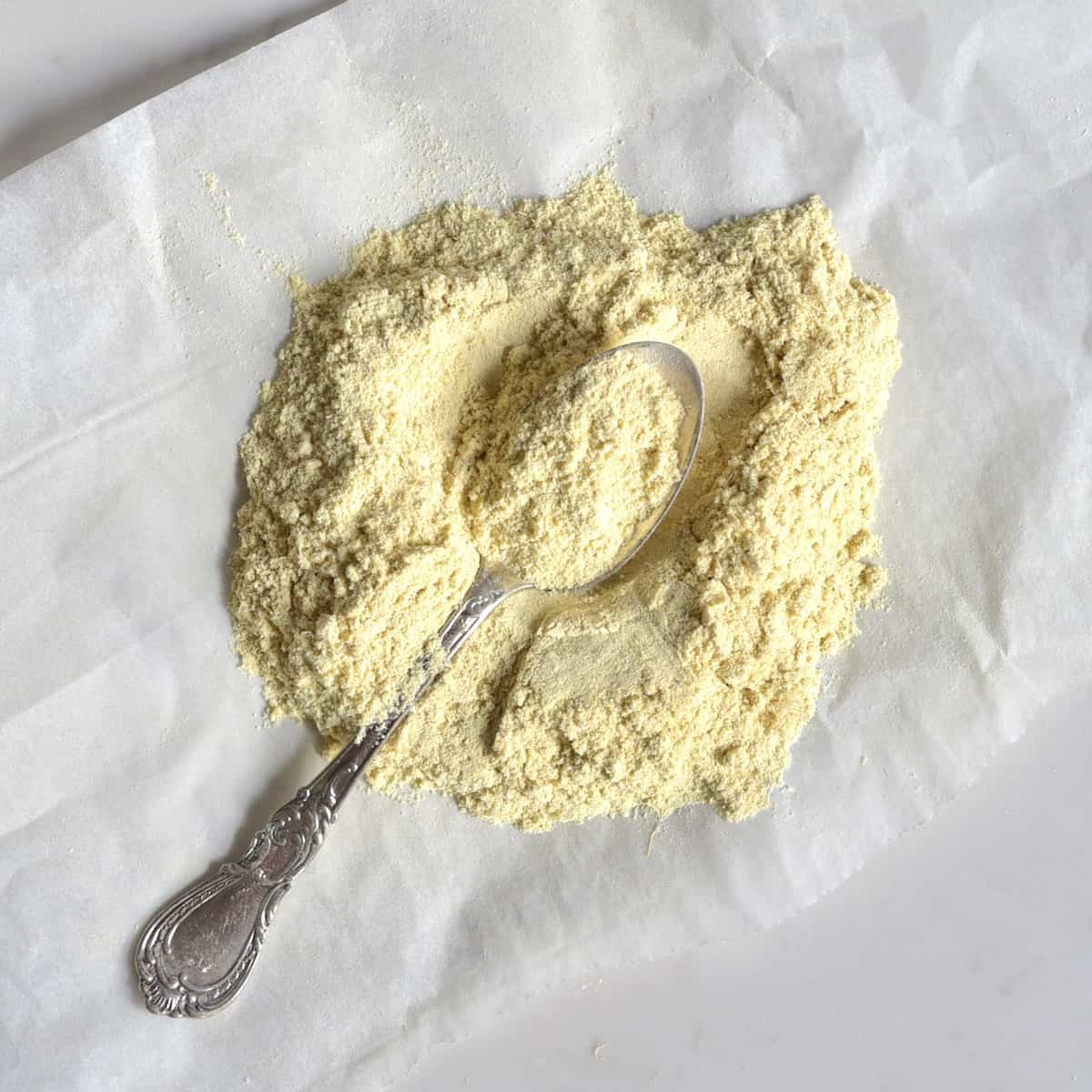
Homemade Ginger Powder: Unlock Flavor with Fresh Root & Pulp Methods
Ginger, with its distinctive zesty, spicy, and warming notes, is a beloved ingredient in kitchens worldwide. From soothing teas to vibrant stir-fries and delectable baked goods, its versatility is unmatched. While store-bought ground ginger is convenient, nothing compares to the intense aroma and flavor of freshly made homemade ginger powder. If you've ever wondered how to make ginger powder two methods, you're in the right place. This comprehensive guide will walk you through transforming both fresh ginger root and leftover ginger pulp into a vibrant, potent spice that will elevate your culinary creations.
Why Make Your Own Ginger Powder? The Homemade Advantage
Opting for homemade ginger powder offers a multitude of benefits that far outweigh the minimal effort involved. Firstly, the flavor and fragrance are simply unparalleled. Commercial ginger powders can often lose their potency due to extended storage and processing, resulting in a duller, less vibrant spice. Your homemade version, on the other hand, captures the fresh, pungent essence of ginger at its peak.
- Superior Flavor & Aroma: Experience the true, robust flavor of ginger that’s often lost in mass-produced versions.
- Purity & Control: You dictate the ingredients – no anti-caking agents, fillers, or unlisted additives. If you start with organic ginger, you end with organic powder.
- Sustainability: Especially when utilizing ginger pulp leftover from juicing, this method is a fantastic way to minimize food waste and embrace a zero-waste kitchen philosophy.
- Cost-Effective: Buying fresh ginger in bulk can be more economical than continuously purchasing small jars of powdered ginger, especially if you use it frequently.
- Longer Shelf Life: Properly dried and stored, homemade ginger powder maintains its quality for an extended period, ensuring you always have a potent supply on hand.
Whether you’re a culinary enthusiast, a health-conscious individual, or simply someone who appreciates fresh, high-quality ingredients, mastering how to make ginger powder two methods is a rewarding endeavor.
Method 1: Crafting Powder from Fresh Ginger Root
This method yields a potent, pure ginger powder directly from the whole root, similar to how many traditional spices are made.
Preparing Your Fresh Ginger
The journey to exquisite ginger powder begins with selecting the right root. Look for firm, smooth ginger with taut skin and a fresh, spicy aroma. Organic ginger is often preferred, as it minimizes pesticide exposure, particularly if you plan on using the peels (though for powder, peeling is generally recommended for a purer product).
- Peeling: While some argue for leaving the skin on organic ginger for added nutrients, for a smooth, fine powder without any fibrous bits, it's best to peel. A spoon is surprisingly effective for scraping away the thin skin quickly and efficiently, minimizing waste compared to a peeler or knife.
- Cleaning: After peeling, give the ginger a quick rinse under cold water and pat it dry with a clean cloth.
Slicing for Optimal Drying
The key to successful and efficient drying is uniformity and thinness. Thinner slices mean faster, more even dehydration, reducing the risk of uneven drying or spoilage.
- Achieving Thin Slices: A mandoline slicer is your best friend here, allowing you to create consistently paper-thin slices. If you don't have one, a sharp knife and a steady hand will also work, but aim for slices no thicker than 1/8 inch (3mm).
- Arrangement: Lay the ginger slices in a single layer on your drying trays, whether for an oven or dehydrator. Ensure absolutely no overlapping, as this will trap moisture and prevent even drying.
Drying Your Fresh Ginger Slices
You have a couple of excellent options for drying your ginger slices, each with its own advantages. For a detailed comparison, you might find our article Dehydrator vs. Oven: The Best Way to Dry Ginger for Powder particularly helpful.
Dehydrator Method:
Using a dehydrator is often considered the gold standard for drying, as it provides a consistent low heat and airflow, preserving more of the ginger's nutritional value and volatile oils without "cooking" it.
- Temperature: Set your dehydrator to a low temperature, typically around 40-50°C (100-120°F).
- Time: Dehydrate for approximately 4-8 hours. The exact time will vary based on the thickness of your slices, humidity levels, and your specific dehydrator model.
- Checking for Dryness: The ginger slices are fully dry when they are brittle and snap easily when bent. There should be no flexibility or moisture evident.
Oven Method:
If you don't own a dehydrator, your oven can do a fantastic job. The goal is to mimic a dehydrator's low, consistent heat.
- Temperature: Preheat your oven to its lowest possible setting, typically around 50-70°C (120-160°F). If your oven runs hot, you might even prop the door open slightly with a wooden spoon to allow moisture to escape and prevent overheating.
- Time: This method generally takes longer than a dehydrator, usually 6-10 hours, or even overnight.
- Monitoring: Flip the slices every 1-2 hours for even drying. Keep a close eye on them to prevent browning or burning, especially if the oven door is closed.
- Checking for Dryness: Like the dehydrator method, the ginger should be completely dry, brittle, and snap cleanly.
Method 2: Transforming Ginger Pulp into Powder – A Sustainable Choice
This innovative method is a fantastic way to utilize the "waste" from juicing or making ginger extracts, ensuring no part of the valuable root goes unused. It's a testament to the versatility of Don't Waste Ginger Pulp! Easy Oven & Dehydrator Powder.
The Source: Leftover Ginger Pulp
Whenever you make homemade ginger juice, ginger shots, or even certain ginger extracts, you're left with a fibrous pulp. Rather than discarding this nutrient-rich byproduct, it can be repurposed into a milder yet still flavorful ginger powder. The pulp retains much of ginger's aroma and some of its beneficial compounds.
Preparing the Pulp for Drying
Ginger pulp has a different consistency than sliced ginger, requiring a slightly different approach for preparation.
- Spreading Thinly: Spread the ginger pulp out in a very thin, even layer on your dehydrator trays or baking sheets lined with parchment paper. Aim for a thickness of no more than 1/4 inch (6mm). Thicker layers will take significantly longer to dry and increase the risk of mold.
- Evenness: Use the back of a spoon or an offset spatula to ensure the pulp is spread uniformly. This prevents some areas from drying faster than others.
Drying Your Ginger Pulp
Drying ginger pulp follows similar principles to drying slices, but due to its finely shredded nature, it might dry slightly faster or require more frequent checking.
Dehydrator Method:
- Temperature: Set your dehydrator to 40-50°C (100-120°F).
- Time: Pulp typically dries in 3-6 hours, but this can vary.
- Checking for Dryness: The pulp is ready when it's completely brittle and crumbles easily. There should be no soft or moist spots.
Oven Method:
- Temperature: Use the lowest oven setting, 50-70°C (120-160°F), with the door slightly ajar if needed.
- Time: Expect 5-9 hours.
- Monitoring: Stir the pulp occasionally to help it dry evenly and prevent any parts from browning.
- Checking for Dryness: Ensure it's fully crisp and crumbly throughout.
The Final Step: Grinding Your Dried Ginger
Once your ginger (whether slices or pulp) is completely dry, you're just one step away from homemade ginger powder. This is where the magic happens!
- Confirm Dryness: This is crucial. Any residual moisture will lead to clumping, reduce shelf life, and potentially cause mold. The dried ginger should snap cleanly and soundly, or crumble to the touch if it's pulp.
- Grinding Tools:
- Spice Grinder/Coffee Grinder: These are ideal for achieving a fine powder. Work in small batches to avoid overheating the grinder, which can diminish the ginger's volatile oils.
- High-Speed Blender: While less ideal for very small quantities, a powerful blender can also grind dried ginger into a powder. Again, process in short bursts.
- Achieving Fineness: Grind until you reach your desired consistency. For a super-fine powder, you can sift the ground ginger through a fine-mesh sieve. Any larger pieces can be re-ground.
- Storage: Transfer your freshly ground ginger powder to an airtight container. Store it in a cool, dark, and dry place, such as a pantry cupboard, away from direct sunlight and heat. This will preserve its potent flavor and aroma for months.
Tips for Success & Culinary Uses
Mastering how to make ginger powder two methods also involves a few key considerations for optimal results and diverse applications.
Pro Tips:
- Quality In, Quality Out: Start with fresh, high-quality ginger for the best-tasting powder.
- Don't Rush Drying: Patience is key. Ensuring complete dryness is paramount for longevity and quality.
- Ventilation: When oven-drying, good ventilation in your kitchen can help prevent moisture buildup.
- Small Batches: Grind in small batches to maintain the freshness and avoid dulling your grinder blades too quickly.
Culinary Versatility:
Your homemade ginger powder is far superior to store-bought varieties and can be used in countless ways:
- Baking: Enhance cookies, cakes, gingerbread, and muffins.
- Savory Dishes: Add depth to curries, stir-fries, marinades for meats or tofu, and various spice blends.
- Beverages: Steep into a warming homemade ginger tea, add to smoothies, or use in mulled wine.
- Seasoning: Sprinkle over roasted vegetables, fruits, or oatmeal for an extra kick.
- Health Boost: Incorporate into daily routines for its renowned anti-inflammatory and digestive benefits.
The difference in flavor, when compared to store-bought versions, will be immediately noticeable – a testament to the freshness and purity of your homemade spice.
Conclusion
Making your own ginger powder at home, whether from fresh root or leftover pulp, is an incredibly rewarding and straightforward process. By understanding how to make ginger powder two methods, you not only elevate the quality of your cooking but also embrace sustainable kitchen practices. The superior aroma, vibrant flavor, and pure quality of your homemade ginger powder will make you question ever buying it from the store again. So go ahead, give these methods a try, and infuse your dishes with the unparalleled freshness of ginger crafted right in your own kitchen.
